

Bed bugs are becoming an increasingly common problem in Singapore — affecting both HDB flats, condominiums, and even newly renovated homes.
Many homeowners assume bed bugs are caused by poor hygiene, but that’s not true. Even clean homes can experience infestations due to travel, furniture, or hidden spread within buildings.
In this guide, we’ll break down:
- The common signs of bed bugs
- What causes infestations in Singapore
- Why bed bugs keep coming back after treatment
- And what actually works to eliminate them
1. Signs You May Have Bed Bugs
Bed bugs are excellent at hiding, which makes early detection difficult. However, there are several clear warning signs to look out for.
Common Signs Include:
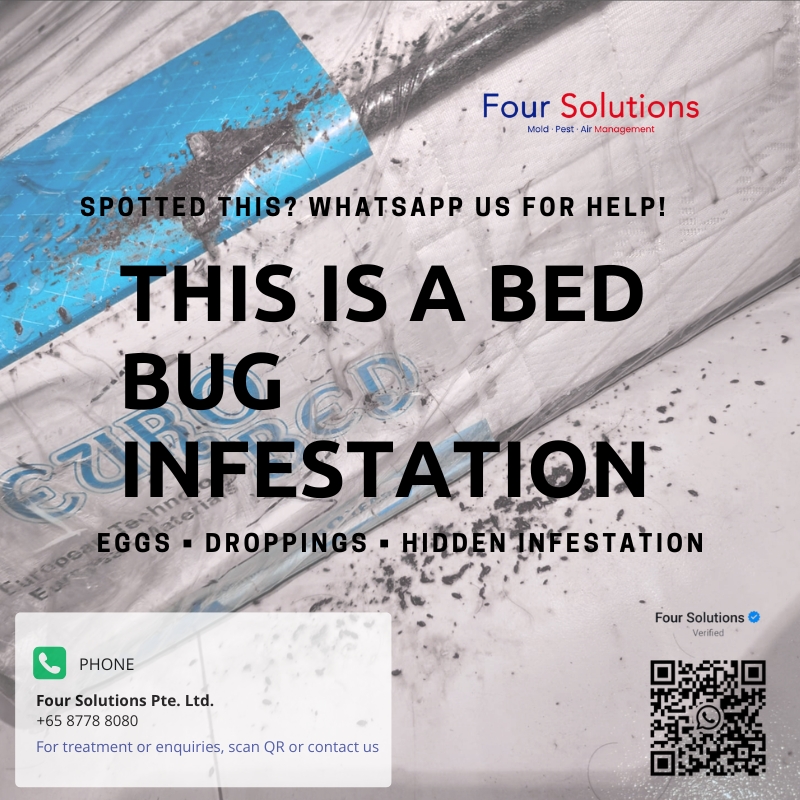
- Small black dots (bed bug droppings) on mattresses and furniture
- Blood stains on bedsheets or pillowcases
- Bites in lines or clusters on exposed skin
- Shed skins or tiny white eggs in seams and corners
Bed bugs typically hide in:
- Mattress seams
- Bed frames
- Sofa joints
- Wardrobes and skirting edges
👉 If you notice multiple signs, there is a high chance of an active infestation.
2. What Causes Bed Bugs in Singapore
Bed bugs spread easily and are commonly introduced into homes through everyday activities.
Common Causes:
Travel & Luggage
Bed bugs can hitchhike from hotels, transport, or overseas trips.
Second-Hand Furniture
Used mattresses, sofas, or wooden furniture can carry hidden infestations.
Dense Living Environment
In Singapore, close proximity between units makes it easier for bed bugs to spread.
Guests & Visitors
Visitors may unknowingly bring bed bugs into your home.
3. Why Bed Bugs Keep Coming Back After Treatment
This is one of the biggest frustrations homeowners face.
Many people experience bed bugs returning even after treatment — and there are clear reasons why.
Main Reasons:
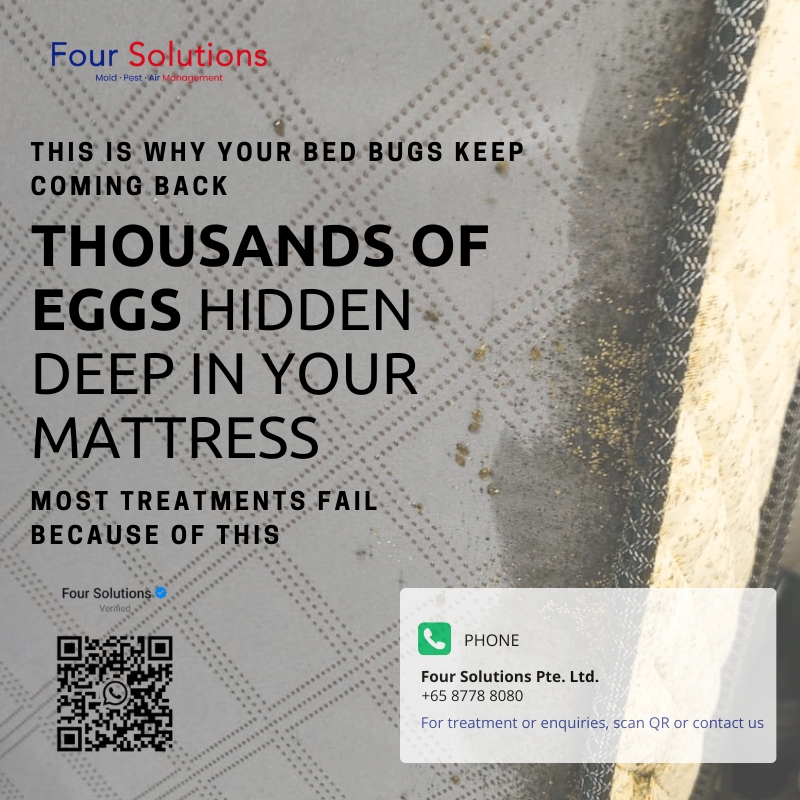
Eggs Are Not Fully Eliminated
Most basic treatments only kill adult bed bugs. Eggs remain hidden and hatch later.
Hidden Infestation Areas Are Missed
Bed bugs hide deep in cracks, furniture joints, and wall edges.
Over-Reliance on Chemical Sprays
Sprays often do not penetrate deep enough to fully eliminate the infestation.
Reinfestation from Nearby Areas
In apartments or condos, bed bugs can spread between units.
👉 This is why many DIY or cheap treatments fail.
4. What Actually Works: Heat Treatment
Heat treatment is widely considered one of the most effective solutions for bed bug infestations.
Why Heat Treatment Works:
- Kills eggs, nymphs, and adults in one session
- Penetrates deep into mattresses, furniture, and hidden areas
- Does not rely heavily on chemicals
- Reduces chances of reinfestation
Unlike traditional spraying methods, heat treatment targets the entire life cycle, not just visible bugs.
5. How to Prevent Bed Bugs
While prevention is not always 100% possible, you can reduce your risk significantly.
Simple Prevention Tips:
- Inspect luggage after travel
- Wash and dry clothes using high heat
- Avoid placing bags on beds or sofas
- Be cautious with second-hand furniture
- Check mattress seams regularly
6. When Should You Call a Professional?
If you notice:
- Repeated bites
- Multiple infestation signs
- Bed bugs returning after treatment
👉 It’s best to seek professional help early.
Delaying treatment can:
- Allow infestation to spread
- Increase treatment difficulty
- Lead to higher costs later
Conclusion
Bed bugs are not just a nuisance — they are persistent and difficult to eliminate without the right approach.
Understanding the signs, causes, and treatment methods is key to solving the problem effectively.
🔗 Need Help With Bed Bugs in Singapore?
If you suspect a bed bug infestation, it’s best to act early.
👉 Send us photos via WhatsApp for a fast assessment
👉 Get professional advice with no obligation