Booklice thrive in humid environments and are commonly found on walls, ceilings, books, wardrobes, cardboard boxes and furniture. Rather than simply killing the insects, we identify and treat the moisture conditions that allow them to survive.

 Vector Operator Licensed
NEA Reg. NEA201812722M
Vector Operator Licensed
NEA Reg. NEA201812722M
Four Solutions provides NEA licensed booklice treatment in Singapore (Reg. NEA201812722M). Booklice feed on hidden mould and humidity, so as mould remediation specialists we treat both the booklice and the damp that feeds them, rather than only spraying the insects.
Booklice thrive in humid environments where excess moisture, condensation or mould is present. Simply spraying the insects may provide temporary relief, but unless the underlying moisture problem is addressed, they are likely to return.
That's why our treatment focuses on both eliminating the infestation and identifying the conditions that allow booklice to survive.

Booklice are easy to mistake for other small insects. If you are seeing tiny bugs on your walls, ceiling, books or in the wardrobe, these are the signs that usually point to booklice. They are often searched as mould mites, mold mites or wall mites, but true mites are uncommon indoors in Singapore, and these tiny insects are almost always booklice feeding on microscopic mould.
Still not sure? Send us a close-up photo and we will help identify them.
WhatsApp a photoBooklice gather wherever it stays humid and undisturbed. These are the spots we check most often in Singapore homes.
Especially near windows, aircon units and corners that stay damp.
Enclosed, poorly ventilated spaces where humidity quietly builds up.
Booklice feed on the microscopic mould that grows on paper and bindings.
Stored cartons trap moisture and the mould that booklice live on.
Under sinks and back corners where damp and food residue collect.
Low-airflow rooms packed with paper, fabric and stored items.
Fresh screed and plaster release moisture for months after handover.
Enclosed units and basement carpark levels that trap humidity.
Booklice treatment is most effective when both the infestation and the moisture conditions are addressed.
Fast, cost-effective treatment for active booklice throughout the affected area, with residual treatment to suitable walls and ceilings.
Where mould is present, we recommend removing the mould first, then applying suitable anti-mould protection to reduce the food source.
After treatment, we provide practical recommendations to reduce excess humidity, improve ventilation and minimise conditions that allow booklice to return.
We select the method after checking activity, affected materials, humidity and mould. The highlighted method is the recommended long-term route when mould or damp conditions are feeding the infestation.
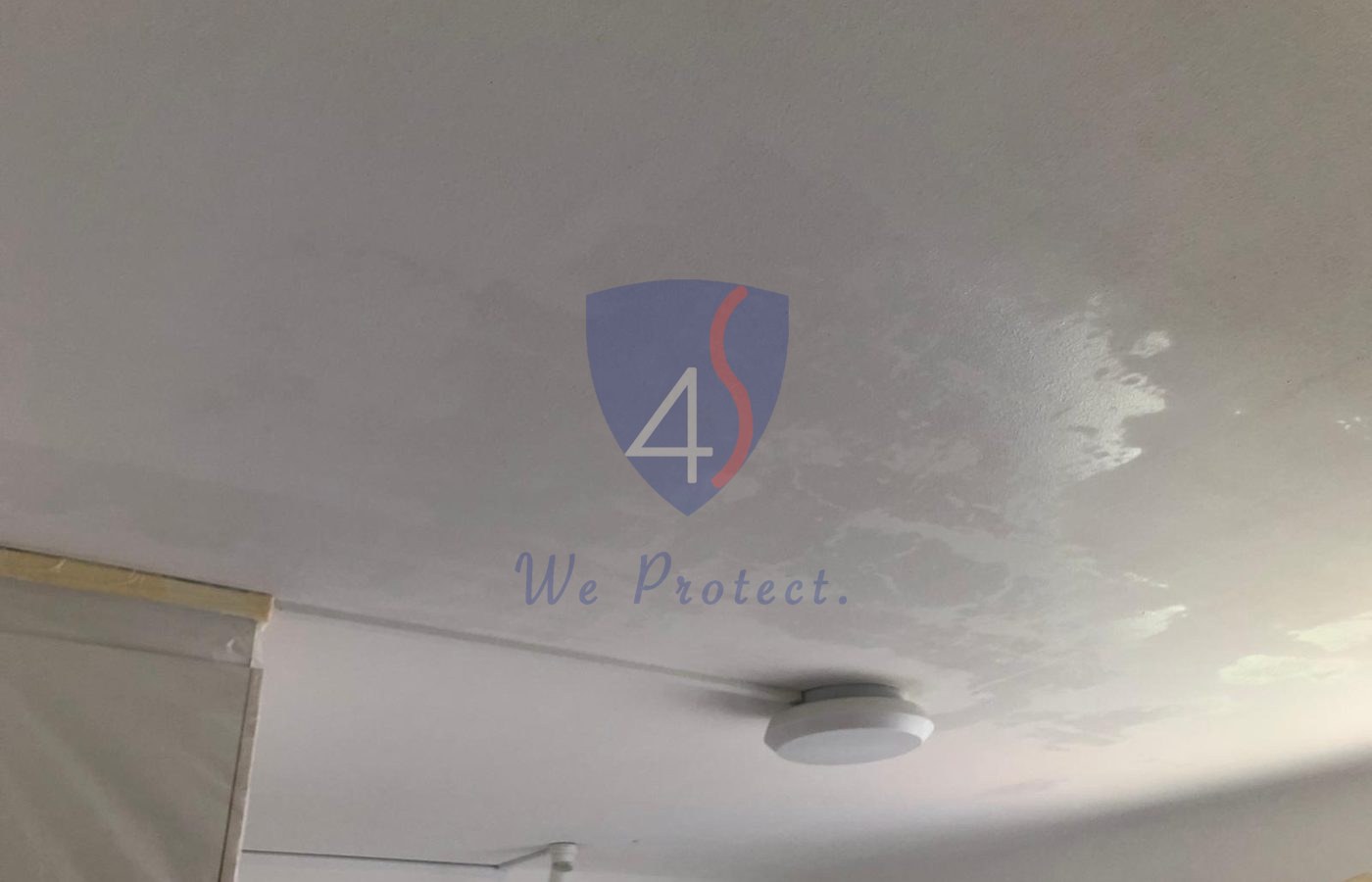
Source remediation for affected surfaces where mould, humidity or damp storage is feeding the Booklice activity.
Recommended long-term solution: Booklice feed on microscopic mould. Removing mould and applying suitable anti-mould protection removes their primary food source while helping reduce future infestations.
Best for: Recurring booklice problems, homes with visible mould, long-term prevention, humid rooms and wardrobes.
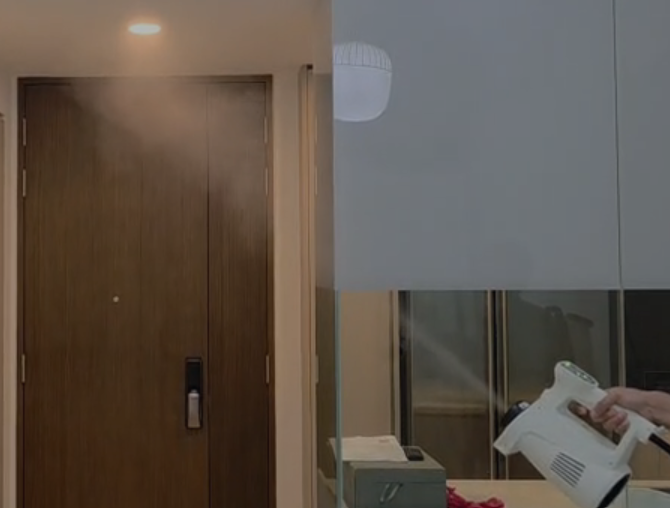
Fine-mist treatment for active Booklice across larger affected areas, voids, storage spaces and difficult-to-reach surfaces.
Why it helps: Provides even coverage with minimal chemical use and reduced downtime. Suitable HACCP-safe treatment can be selected for appropriate F&B or sensitive environments after assessment.
Best for: Widespread infestations, large rooms, storage spaces, wardrobes, voids and difficult-to-access areas.
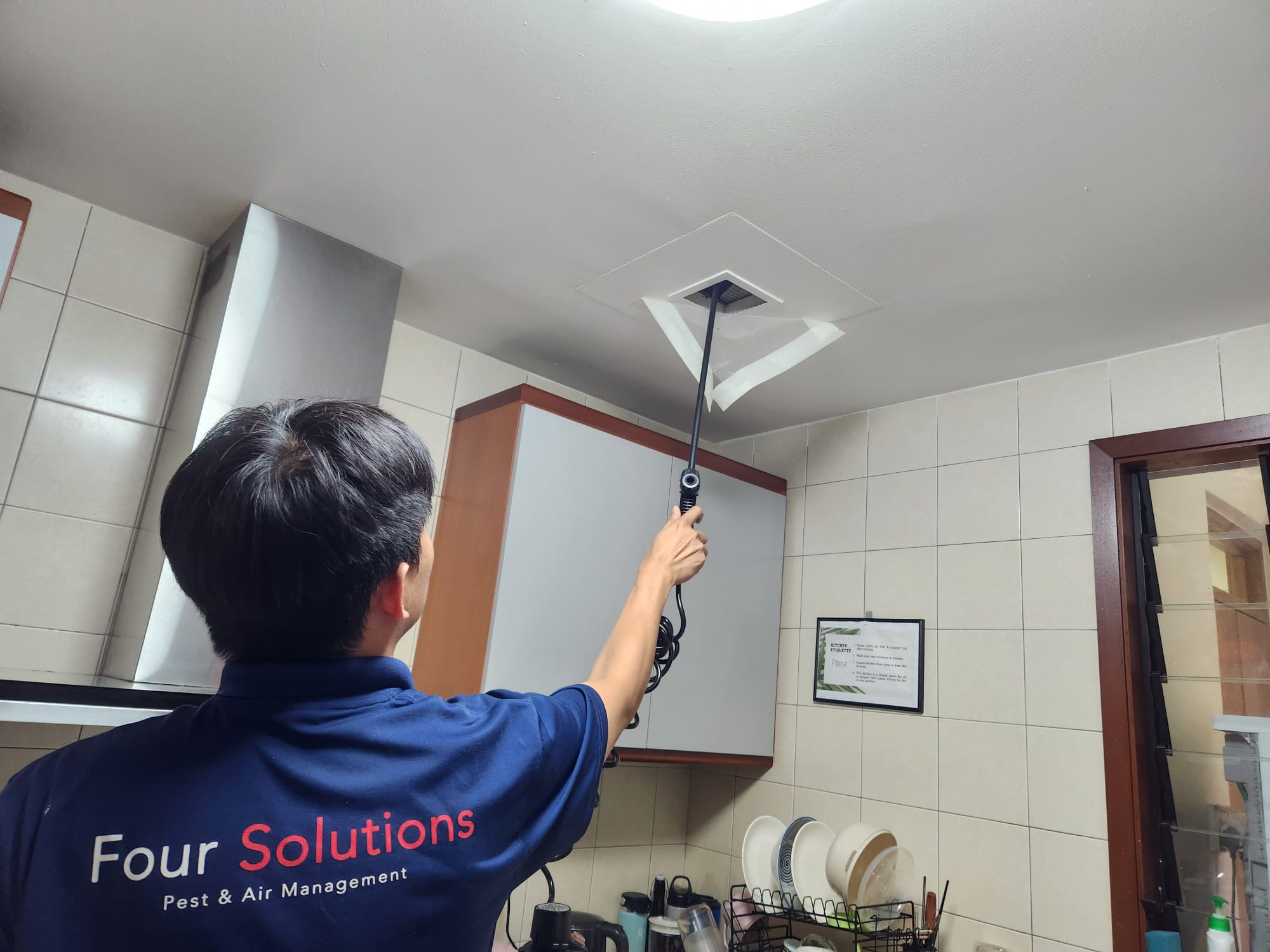
Professional residual insecticide applied to suitable surfaces where Booklice travel or harbour.
Why it helps: Creates a residual barrier in cracks, hiding areas and appropriate surface zones.
Best for: Suitable walls, ceilings, skirting, cabinets and harbourage points where residual surface protection is appropriate.
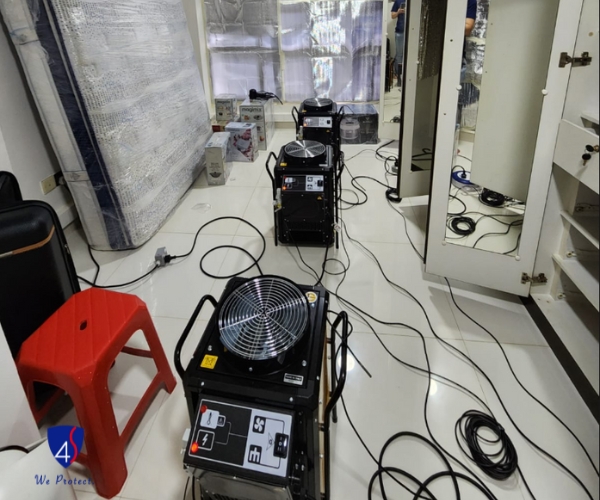
Chemical-free whole-area treatment for suitable Booklice cases, especially where stronger life-stage control or a low-residue approach is required.
Why it is more extensive: Heat can reach hidden areas and targets eggs, larvae, nymphs and adults without leaving chemical residue. It is environmentally friendly and suitable for sensitive environments when the inspection confirms heat is appropriate.
Best for: Suitable chemical-free cases where stronger life-stage control, lower residue and broader coverage are needed.
Do not worry. We recommend the most suitable option after assessing your infestation, property, affected materials, humidity, mould presence and budget.
Booklice are easy to mistake for other pests. Send a clear photo and we will confirm if it is booklice and the treatment it needs.
Booklice keep coming back when only the insects are treated. We target the humidity and mould behind them, so the problem is far less likely to return.
Booklice often appear where mould, damp storage or persistent humidity is providing food and a suitable environment.
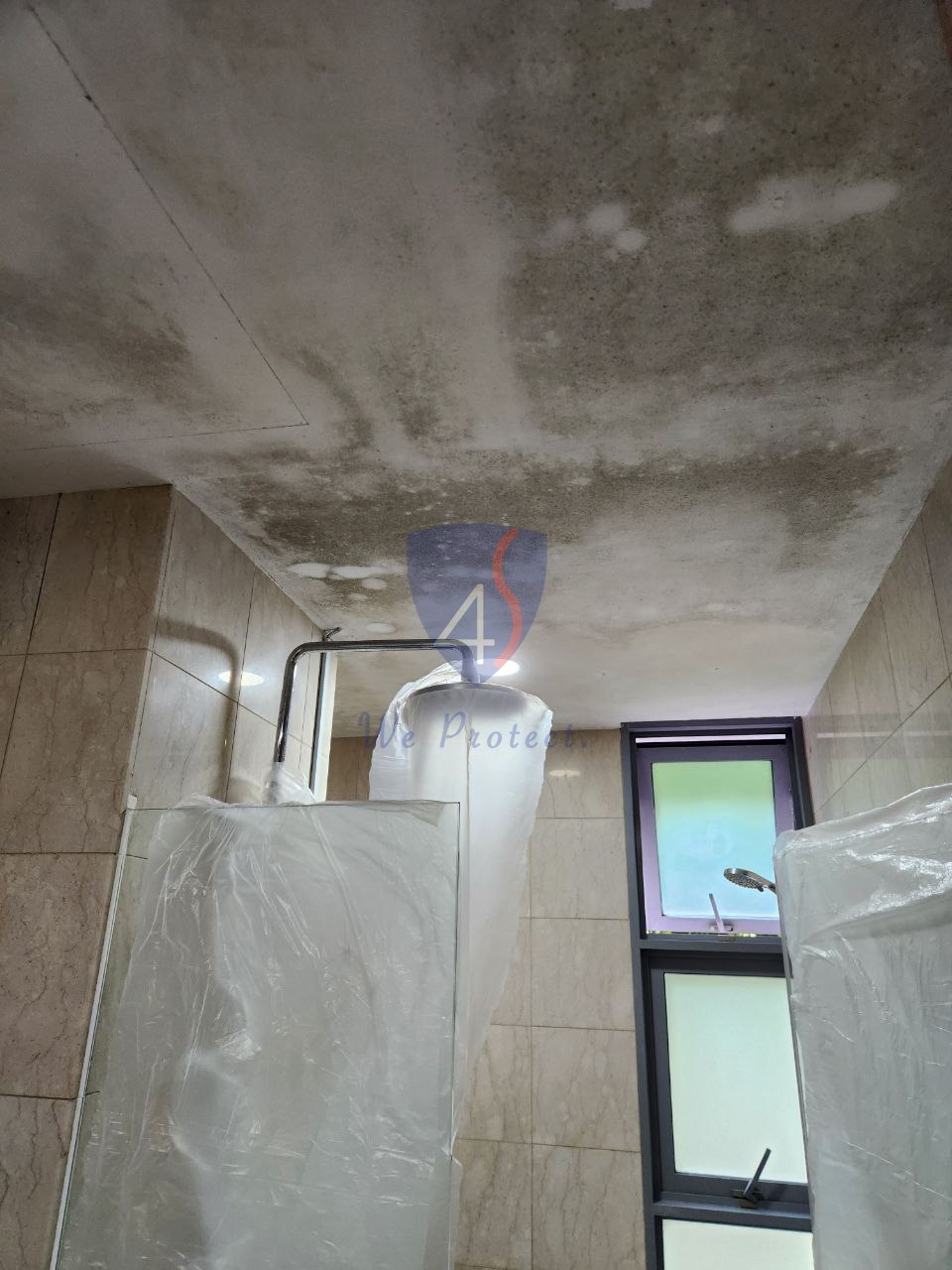
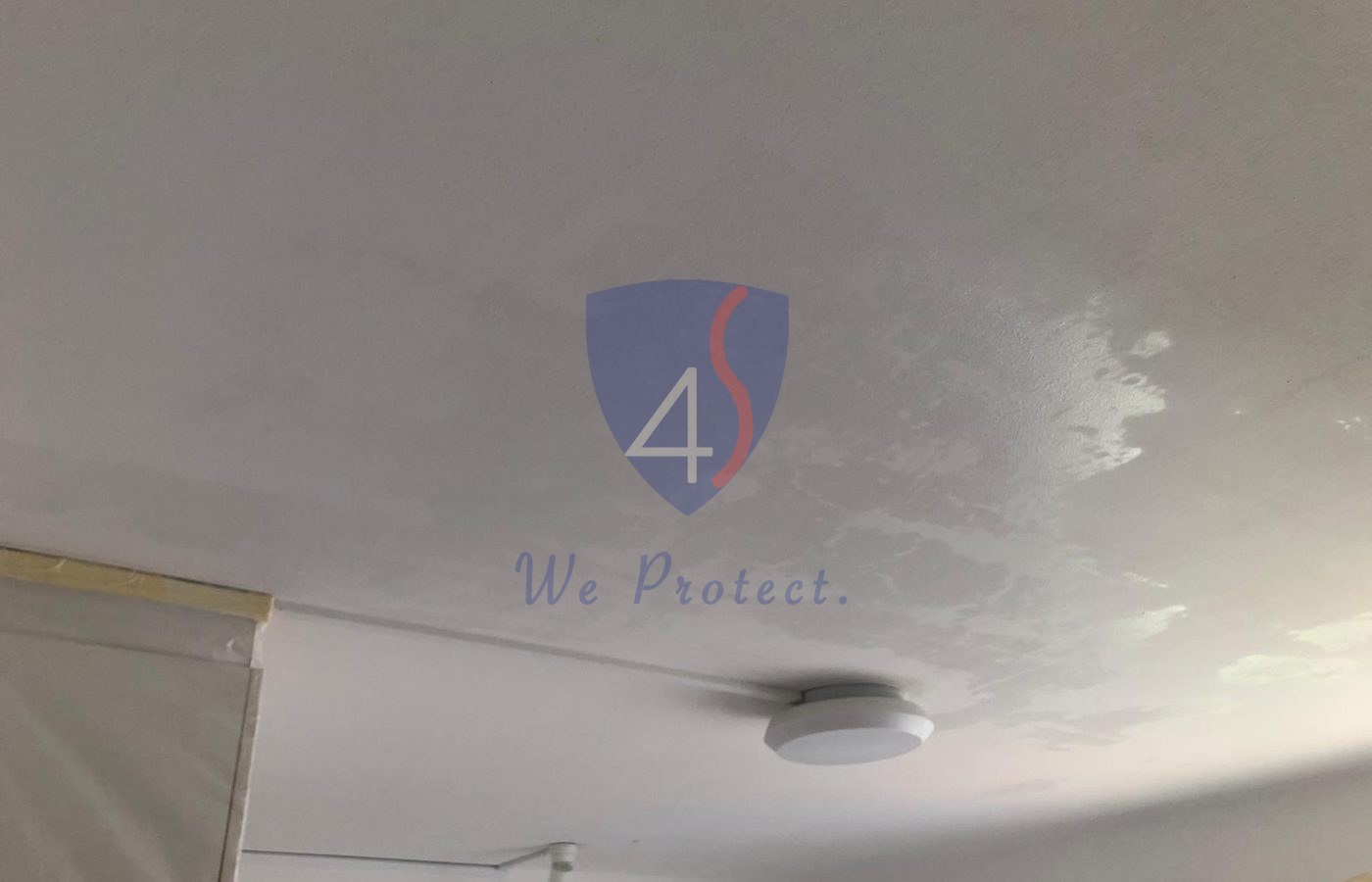
Booklice thrive in humidity and hide in stored paper and damp corners.
We eliminate the source so they stop appearing on walls, books and furniture.
Yes, Four Solutions is NEA Vector Operator Licensed, Reg. NEA201812722M, with 10 years serving Singapore.
Message us on WhatsApp at +65 8778 8080 with a photo and we come back with a clear quote and the fastest available slot.
Depending on the inspection, we may use indoor residual spray, ULV fogging, heat treatment or mould-source remediation. The method fits the activity, affected materials, humidity and whether mould is feeding the infestation.
Heat treatment can be used for suitable booklice cases where chemical-free whole-area treatment and life-stage control are needed. Where mould or damp conditions are feeding the booklice, mould remediation and anti-mould coating may also be needed.
Booklice return when humidity, mould or damp stored items remain. The pest and the moisture source usually need to be handled together.
Booklice are tiny, usually 1 to 2mm long, light brown or almost translucent, and are commonly found on walls, ceilings, books and in wardrobes. They do not bite people and feed on microscopic mould.
In most Singapore homes, the tiny insects people call mould mites, mold mites or wall mites are actually booklice. True mites are uncommon indoors here. Booklice thrive on the microscopic mould that grows in humid, poorly ventilated spots. Send a close-up photo on WhatsApp and we will confirm.
They are most likely booklice, tiny 1 to 2mm insects that are light brown or translucent and feed on mould. They do not bite. We treat both the booklice and the moisture that feeds them so they do not return.
Possibly. Booklice are one of the most common tiny insects found on walls in humid Singapore homes, especially near mould or damp corners. Send us a close-up photo on WhatsApp and we will help identify them.
Booklice are pale, under 2mm, wingless and move slowly around damp walls, skirting and stored paper, and they do not bite. Bed bugs are larger, reddish-brown, apple-seed sized and cluster near beds with bite marks. Send us a clear photo and we confirm which it is before recommending anything.
Booklice feed on the microscopic mould that grows in humid homes, so wiping them away does not remove the food source. They come back until the underlying dampness and mould are dealt with. We treat the activity and the humidity or mould behind it, which is why the two problems are best handled together.
Booklice do not bite people or damage the home structure, but large numbers are a clear sign of high humidity and hidden mould. As mould remediation specialists, we treat both the booklice and the mould that feeds them, rather than only spraying the insects.
Fast response for booklice treatment and humidity-linked pest control in HDB flats, condos, landed homes and commercial premises.
Hougang, Sengkang, Punggol, Serangoon, Yishun, Woodlands and Sembawang.
Tampines, Bedok, Pasir Ris, Paya Lebar, Marine Parade, Changi and nearby estates.
Toa Payoh, Bishan, Novena, Orchard, Jurong, Clementi, Bukit Batok and Choa Chu Kang.
Choose the service path that fits the property. We assess the pest, affected area and recurrence risk before recommending treatment.
Practical treatment for HDB flats, condos and landed homes, including common household pests and moisture-linked issues.
Explore home pest control For businessesPlanned service for offices, F&B, retail, schools, warehouses and facilities, with documentation where needed.
Explore commercial pest controlSend a quick message or a photo of the problem and we will come back with a clear quote and the fastest available slot. Homes, vehicles and businesses across Singapore.
We select the treatment after assessing the pest, life stage, harbourage, entry points and site conditions. Not every method is suitable for every job.